
[ad_1]
Remember the $53bn Nigerian credit card debt imbroglio that Alphaville wrote about earlier this calendar year? It is last but not least been resolved, and — shock shock! — the government has managed to ram through a basic but impressive little bit of economic engineering.
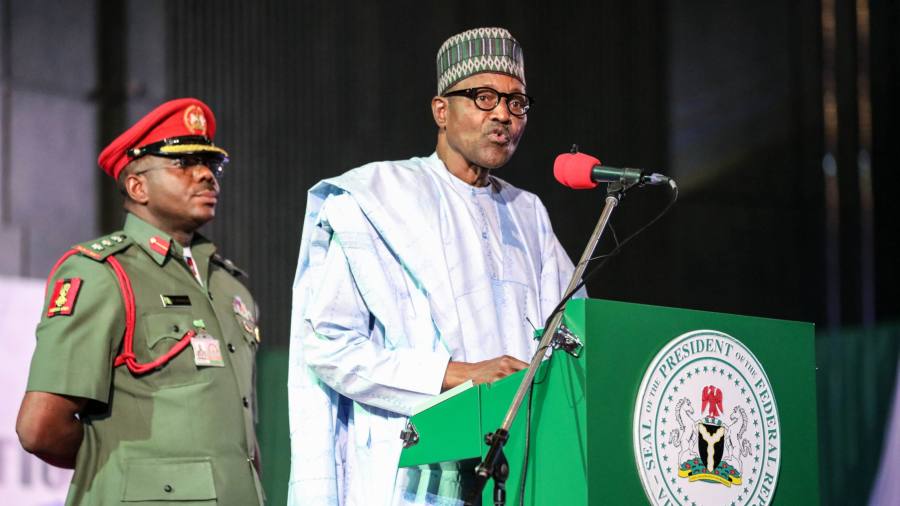
On Wednesday, Nigeria’s higher property of parliament rubber-stamped president Muhammadu Buhari’s ask for to change a huge pile of loans his government had taken from the central lender through a facility called the Approaches and Implies Advance.
Now, the N23.7tn ($53bn) of personal debt owed to Nigeria’s central financial institution (ed notice: Alphaville loves that they connect with it the “apex bank” there) will become a 40-12 months bond that pays a 9 for each cent desire price.
With the Senate’s assent now granted, the lower Property of Reps followed accommodate not very long immediately after, environment it up for Buhari to signal the invoice into legislation, perhaps after returning from some significant celebration in London this weekend.
Back in December, when Buhari initially went to parliament for legislative blessing for the credit card debt restructuring some lawmakers turned down the ask for — not unfairly arguing it was unconstitutional to have borrowed so a lot revenue from the central financial institution in the first put.
The central financial institution lending is in alone not unlawful, but it comes with clear boundaries. Nigeria’s Central Lender Act of 2007 makes it possible for it to prolong credit history to the authorities, but only to the tune of 5 per cent of the preceding year’s earnings, and it must be repaid at the finish of every fiscal calendar year. Furthermore:
. . . “no compensation shall get the variety of a promissory observe or these other assure to spend at a long run date or securitization by way of issuance of treasury expenses, bonds, certificates or other forms of protection which is essential to be underwritten by the Lender.”
The dilemma was that the cash had been expended to guidance the country’s generally money-strapped states and to plug federal authorities revenue shortfalls. The Senate president briefly grumbled about lawmakers not staying knowledgeable, but it was quite noticeable who was plugging the finances deficit.
Additionally, the rolling central lender innovations price 21 for every cent a yr, which will now be diminished to 9 for each cent. That’s understandably fairly tempting for lawmakers in a state that put in above 90 for each cent of very last year’s revenues on servicing financial debt, leaving minimal for a chronically underfunded education and learning program and other important priorities.
Nonetheless, changing the supposedly limited-term (but constantly rolled) Ways and Signifies credit facility into a lengthy expression bond will balloon the country’s formal financial debt stress to about $170bn. That will push the country’s personal debt-to-GDP ratio at just about 40 for each cent — not negative, all points regarded, but near to the limit the governing administration established for itself.
In any circumstance, what’s completed is done. Buhari has gotten his large billions of dollars in credit rating from the central bank and now found himself (or the nation) a sweet offer on his way out. A senior banker in Nigeria claims the restructuring built sense.
“If a different administration does not abide by the footsteps of the outgoing a person and operate up a massive pile of personal debt from the central financial institution, this need to have not be a poor thing in the lengthy run.”
That’s a massive if however!
[ad_2]
Source connection